Although tuberculosis (TB) prevention and control in Vietnam have achieved positive results, the disease burden remains significant. Data from 2025 indicates that over 119,000 TB cases were detected nationwide (a 5% increase compared to 2024), placing Vietnam among the 12/30 countries with the highest TB burden globally. Notably, nearly 40% of TB patients do not exhibit clear clinical symptoms. Therefore, without proactive screening by the healthcare system, cases will be missed, making it impossible to cut off the source of infection in the community.
Strategic Orientation According to Resolution 72-NQ/TW
To realize Resolution 72-NQ/TW (dated September 9, 2025) of the Politburo on breakthrough solutions for protecting, caring for, and improving people’s health, the healthcare sector is shifting its focus from treatment to prevention, with grassroots healthcare as the foundation. In response to World TB Day 2026, with the theme “Detecting TB integrated with periodic health check-ups for every citizen”, starting from 2026, all citizens are guaranteed at least one free screening per year. Specifically, periodic health examinations for officials, public employees, and workers must strictly include TB screening.
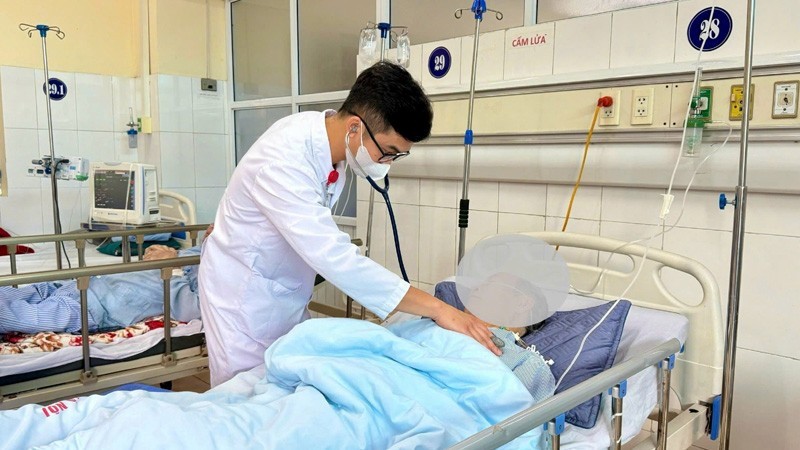
Treatment of tuberculosis at Hanoi Lung Hospital
During the screening process, healthcare facilities are required to strictly implement X-ray imaging and GeneXpert testing for suspected cases. Units must maximize the use of digital X-ray systems combined with artificial intelligence to improve accuracy and ensure no cases are missed.
Strengthening the Grassroots Healthcare Network for Treatment Management
Establishing electronic health records to monitor and manage TB throughout each citizen’s life cycle is an essential solution to reduce costs and enhance treatment efficacy. Simultaneously, training and updating knowledge on TB control for doctors at commune and ward health stations are being promoted so that grassroots healthcare truly becomes a “shield” protecting the community.
According to the 2025 report in Hanoi, the decentralized TB control network with 30 anti-TB teams at regional health stations has proven highly effective. The system screened over 7,000 cases for latent TB (achieving 136.3% of the target) and successfully managed 3,597 patients. The treatment success rate reached 96% for drug-susceptible TB and 75.3% for drug-resistant TB. The active participation of the private healthcare sector, including general and specialized hospitals, also plays a crucial role in case detection and patient management.
Recommendations for Integrating Respiratory Disease Screening
Given the alarming increase in the burden of drug-resistant TB (Hanoi recorded 325 drug-resistant TB patients in 2025, a 1.5-fold increase compared to 2024), the National Tuberculosis Control Program recommends that healthcare facilities proactively integrate TB screening into annual periodic health check-ups. Furthermore, it is necessary to integrate TB screening with other chronic respiratory diseases such as chronic obstructive pulmonary disease (COPD), bronchial asthma, and lung cancer during health examinations at the grassroots level.
Tuberculosis is completely curable if detected early and if the patient strictly adheres to the treatment principle: “Right drug – Right dose – Right duration”. The healthcare sector encourages every citizen to proactively participate in periodic health check-ups, eliminate stigma, and join hands to eradicate TB from the community.
Center for Support and Continuing Education – According to the Vietnam Ministry of Health